Yan Xu.
  • Work
  • Blog
  • CV

Computer vision · Foundation models · Reinforcement learning

Yan Xu.

I work on learning systems, from 3D perception to foundation models.

I completed my Ph.D. at Carnegie Mellon University, advised by Kris Kitani, with a focus on multi-view geometry and 3D human pose estimation. In December 2022, I joined Waymo to work on 3D perception for autonomous driving.

I’m now exploring foundation models, post-training, and reinforcement learning through hands-on implementations and experiments.

Yan Xu

Career path

CV ↗
  1. 2022

    Waymo

    Joined as a Software Engineer

    3D object detection for autonomous driving, spanning model development, training, evaluation, and deployment.

  2. Ph.D.

    Carnegie Mellon University

    Computer Vision · Advisor: Kris Kitani

    Multi-view geometry and multi-person 3D human pose estimation beyond calibrated laboratory settings.

Selected work

Computer vision & multi-view geometry
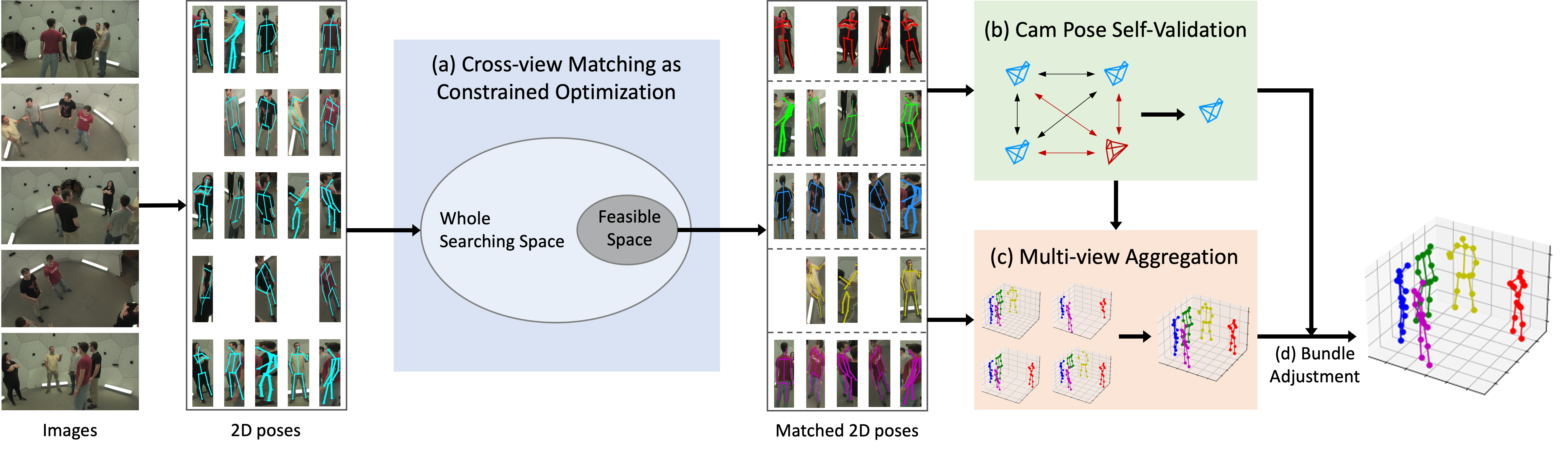
Paper figure illustrating multi-person 3D pose estimation from uncalibrated camera views.↗

Research · BMVC 2022

3D human pose, without calibrated cameras

Multi-View Multi-Person 3D Pose Estimation with Uncalibrated Camera Networks

Yan Xu, Kris Kitani

Reconstructing multiple people in 3D beyond a calibrated camera setup. A study at the intersection of human pose estimation and multi-view geometry.
Project ↗Paper ↗Code ↗
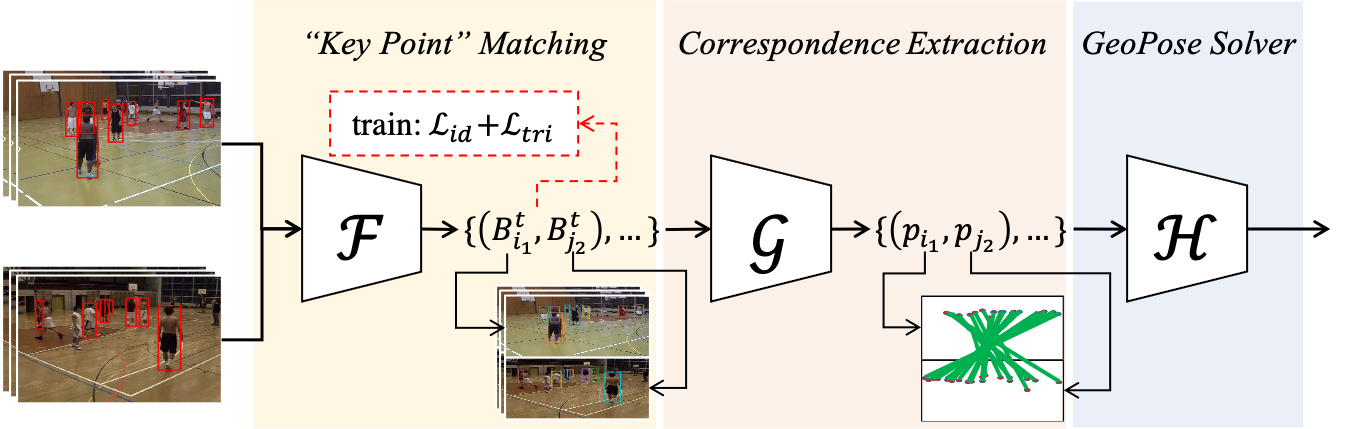
Paper figure connecting people observed across camera views for wide-baseline calibration.↗

Research · CVPR 2021

People as a bridge between cameras

Wide-Baseline Multi-Camera Calibration using Person Re-Identification

Yan Xu, Yu-Jhe Li, Xinshuo Weng, Kris Kitani

Using person re-identification to connect camera views and estimate their relative geometry, even across wide baselines.

Paper ↗
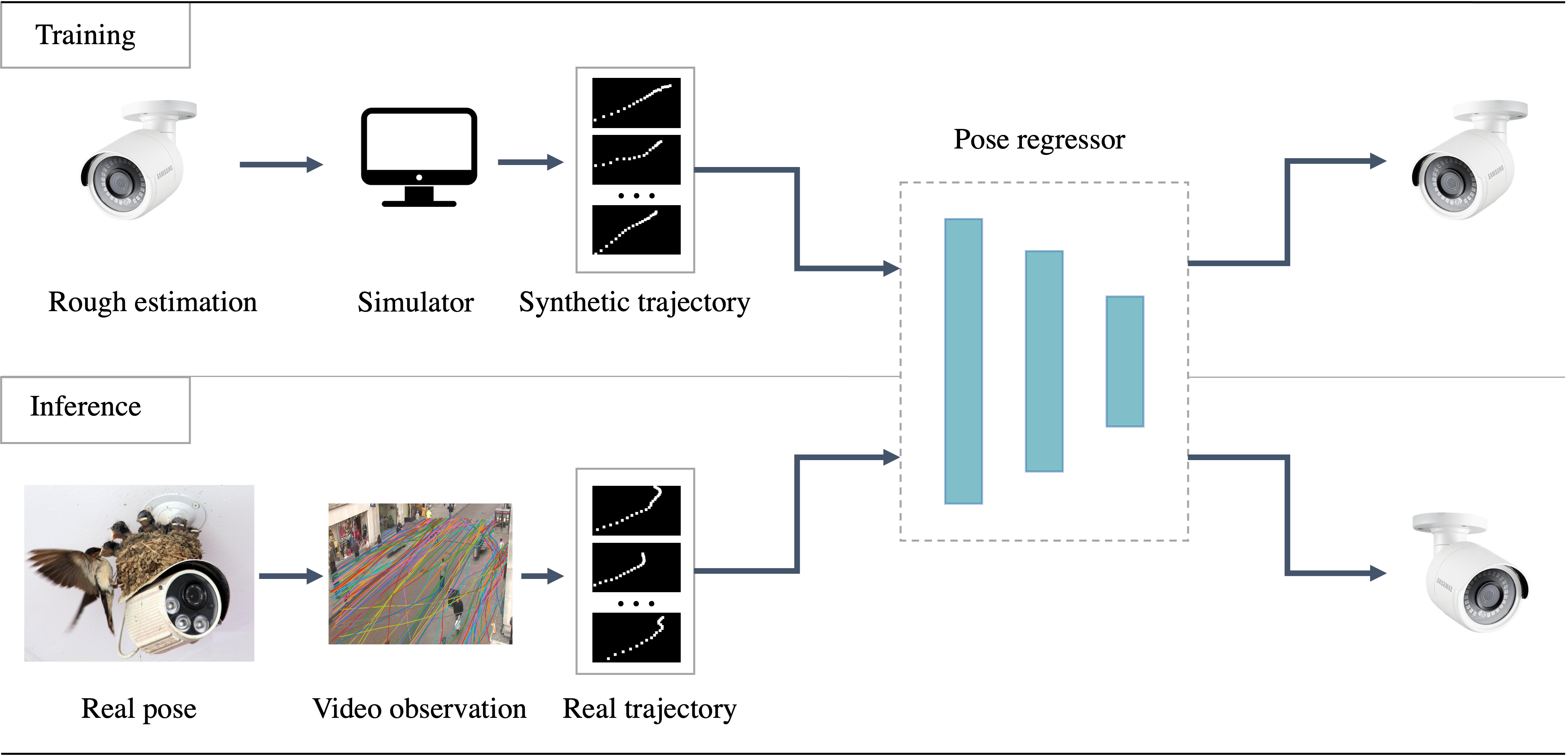
Paper figure showing camera pose estimation from pedestrian trajectories.↗

Research · WACV 2020

Camera geometry from everyday motion

Estimating 3D Camera Pose from 2D Pedestrian Trajectories

Yan Xu, Vivek Roy, Kris Kitani

What can the paths of walking pedestrians tell us about a camera? Estimating 3D camera pose using observed 2D trajectories.

Paper ↗Code ↗Video ↗

A small experiment

One knob.
Different possibilities.

Temperature changes how a language model turns scores into next-token probabilities. Try it.

p = softmax(logits / T)

Next-token probabilitiesInteractive
the
56.4%
a
25.3%
one
11.4%
this
6.9%
More focusedMore varied

Fixed example logits: [2.0, 1.2, 0.4, −0.1]. Change T to compare the same four candidates.

Writing

From the equations
to the code.

Long-form notes on foundation models and post-training.
Currently taking shape, one experiment at a time.

Visit the blog ↗

© Yan Xu


GitHub ↗ · Back to top ↑